
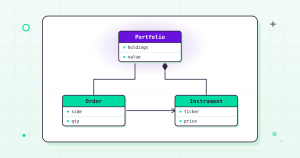
Programming for finance is the craft of using code to answer market questions – pulling prices, testing ideas, building models, automating the boring parts. It’s also where Tiingo has lived since 2014, when we set out to make high-end financial data accessible to everyone, not just the institutions with the biggest budgets. I’m a data […]
Engineering
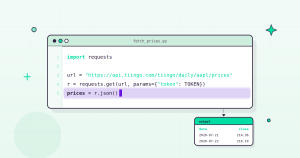
Using Python for Finance: A Practical Guide
Ask anyone doing serious market work what language they use and you’ll almost always get the same answer. Python for finance became the default for good reasons: the language reads nearly like English, it ships with batteries included, and the open-source data libraries built around it are some of the best software ever written, at […]
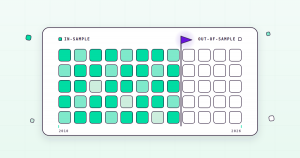
Backtesting Stocks: How to Test a Strategy Before You Risk Money
Backtesting stocks means replaying your trading rules over historical data to see how they would have behaved. You take a strategy – “buy when this happens, sell when that happens” – run it against the past, and look at what comes out the other side. It’s one of the most useful things a trader or […]
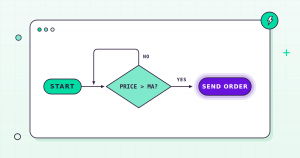
Speed Is Everything: Algorithmic Trading Explained
If you’ve followed markets for any length of time, you’ve heard the term algorithmic trading. It tends to split a room. Critics argue it puts everyday investors at a disadvantage, while defenders point out that it supplies liquidity to markets – there is almost always a machine (or a person running one) ready to take […]
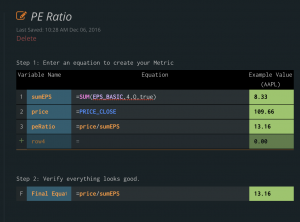
Making the World’s Best Screener for Our Users Pt. 2
If you haven’t seen part one – read it here: Making the World’s Best Screener for Our Users As we’ve improved our screener- we also couldn’t stand idly by not updating our custom metrics creator. Tiingo was the first major financial tech company to allow any user to create their own stock screening metric. And as […]
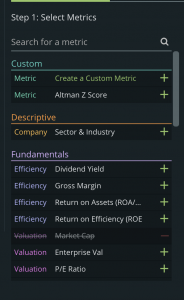
Making the World’s Best Screener for Our Users Pt. 1
It is over a year ago Tiingo launched it’s first screener. We were attempting to move forward the power of screeners, and we had a grandiose ideas of how to do it. We were the first to: Allow users to create their own metrics Created a new UI that challenged existing assumptions of screeners We’re […]